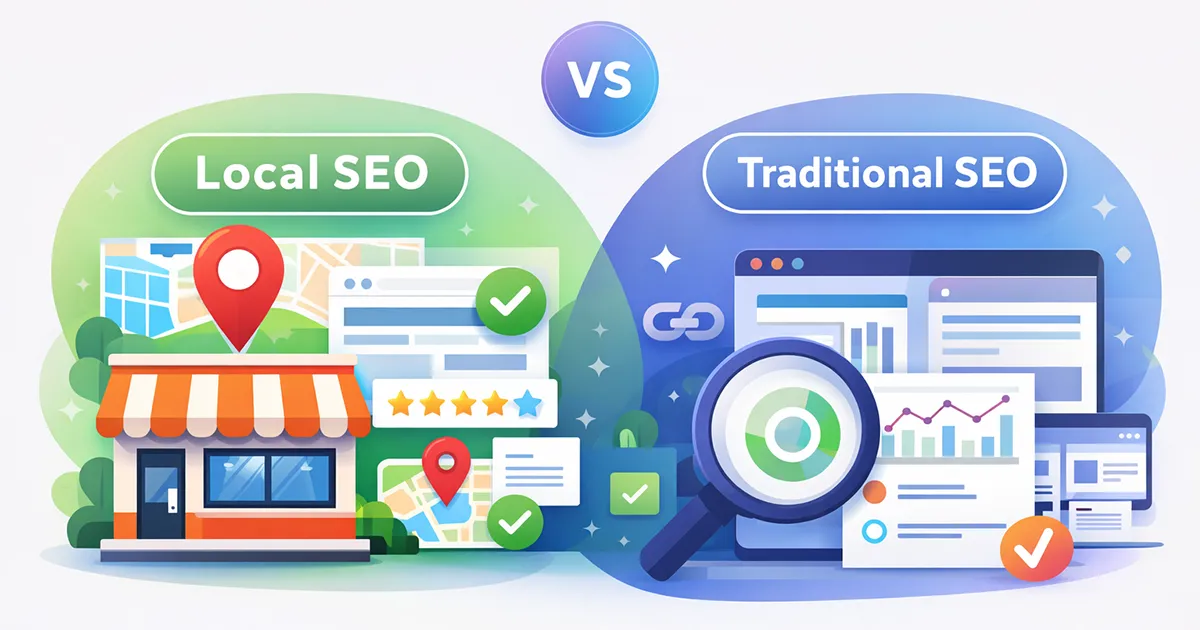
When most small business owners hear “SEO,” they think “rank higher on Google.” But there’s more than one kind of SEO, and the one that drives calls, foot traffic, and bookings for brick-and-mortar companies is local SEO. In this guide, we’ll compare Local SEO vs Traditional SEO, explain the difference between local and traditional SEO, and show how local SEO works in real life.
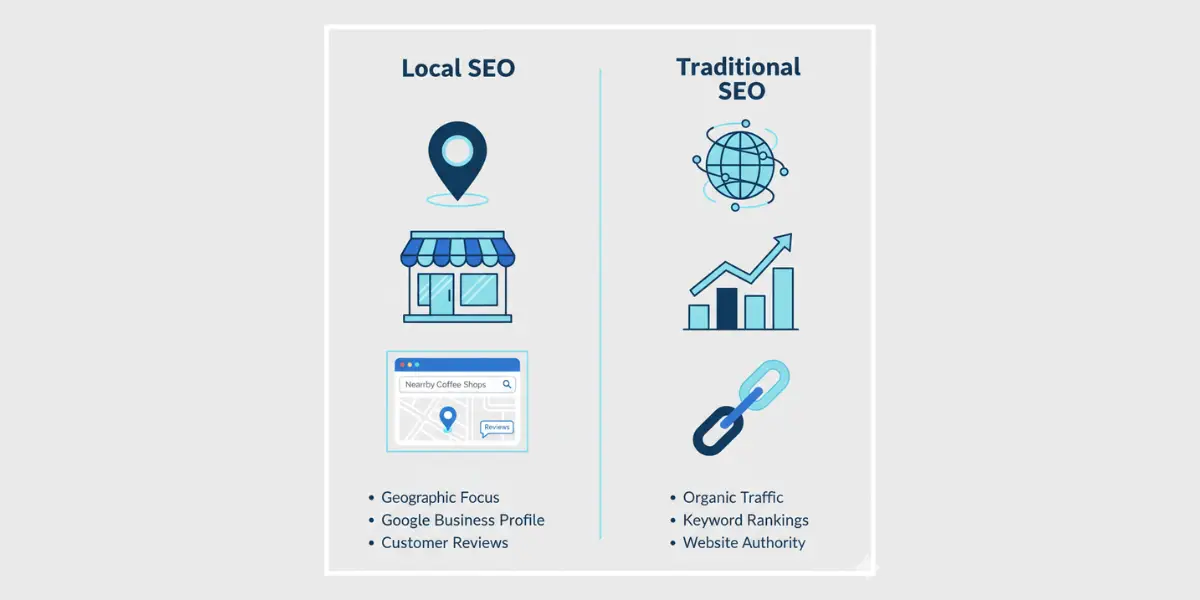
Traditional SEO Explained
Traditional SEO explained: it increases your website’s visibility across the entire web not tied to any one location. It targets broader, high-volume keywords and is perfect for online-only or national brands.
Core Elements of Traditional SEO
- Keyword optimization: Map pages to high-intent, high-volume terms.
- Content marketing: Publish helpful blogs, guides, and resources that build topical authority.
- Technical SEO: Improve crawlability, Core Web Vitals, and structured data.
- Link building: Earn high-quality backlinks to grow domain authority.
- Measurement: Monitor in Google Search Console and analytics tools.
Best for: SaaS, e-commerce, publishers, and brands serving regional, national, or global audiences.
What Is Local SEO?
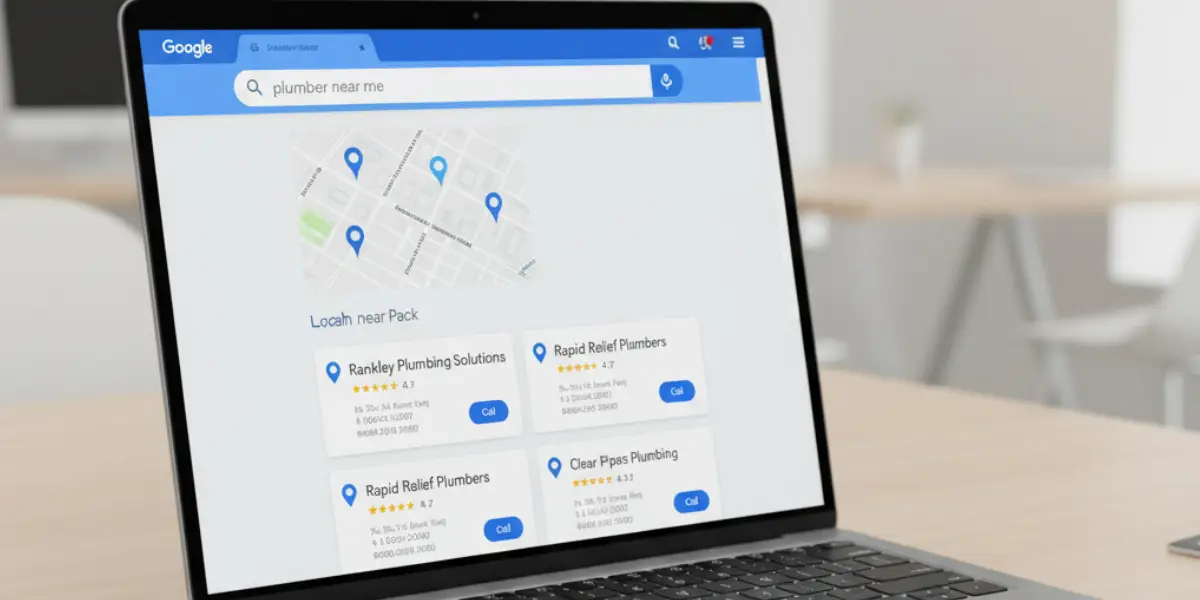
What is local SEO? It’s the practice of improving your visibility for searchers nearby. Local SEO helps you appear in Google Maps and the Local 3-Pack for queries like “near me” or “service in [city].”
How Local SEO Works
How local SEO works is simple in concept: Google blends proximity, relevance, and prominence. You optimize your Google Business Profile, keep NAP (Name, Address, Phone) consistent, earn reviews, and publish location-relevant content so you surface for people close to your business.
Core Elements of Local SEO
- Google Business Profile (GBP): Complete, accurate profiles win. Manage yours in Google Business Profile.
- NAP consistency: Ensure Name, Address, Phone match across your site and key directories.
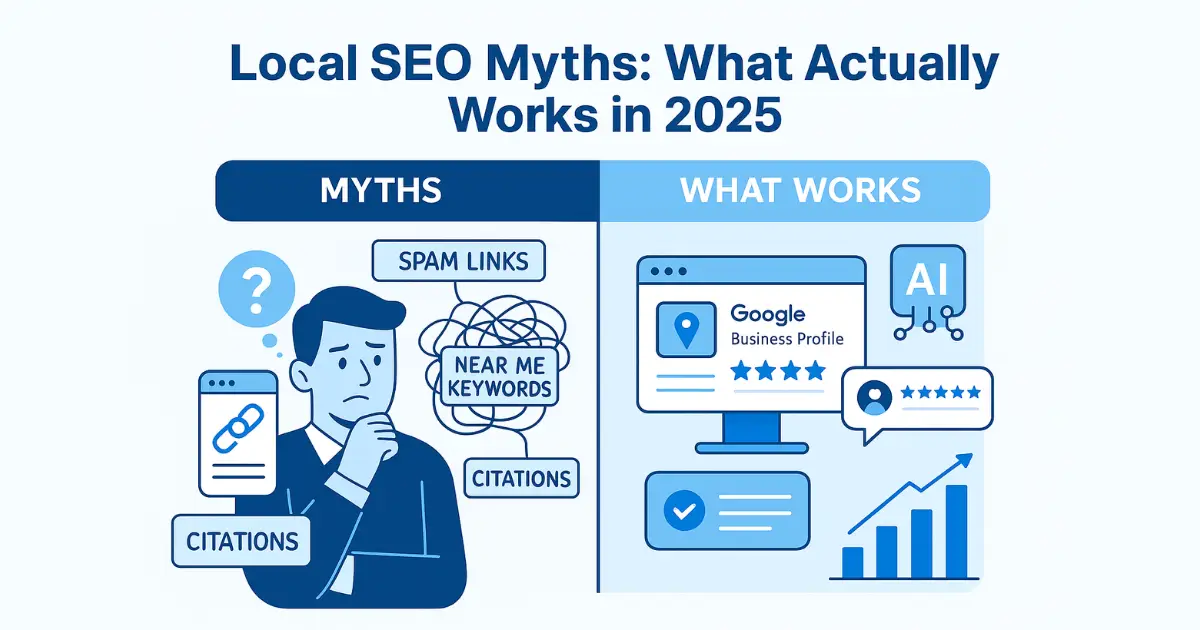
- Local citations: Maintain listings on Google, Bing Places, Apple Maps, Yelp, and relevant industry directories.
- Reviews & reputation: Ask for reviews and respond to every one.
- Localized content: Target location terms in titles, headings, and on dedicated location/service pages.
- Proximity signals: Relevance and distance to the searcher influence Map Pack rankings.
Best for: Restaurants, medical/dental clinics, home services, retail, and agencies with a local office.
Key Differences: Local SEO vs Traditional SEO
This section breaks down the exact difference between local and traditional SEO so you can choose the right approach or combine both.
| Factor | Traditional SEO | Local SEO |
|---|---|---|
| Audience | National or global | Nearby customers in your service area |
| Search intent | Informational, transactional | Proximity, “near me,” local service |
| Ranking signals | Backlinks, content depth, technical SEO | Proximity, GBP, reviews, NAP consistency |
| Results type | Organic listings (blue links) | Map Pack + local organic |
| Primary goal | Maximize broad visibility | Dominate local searches & Maps |
| Typical tools | GSC, Ahrefs/SEMrush |
Local SEO for Small Businesses
Local SEO for small businesses drives the metrics that matter: phone calls, direction requests, bookings, and walk-ins. Because intent is high, the conversion rate from local queries often beats traffic from general organic searches.
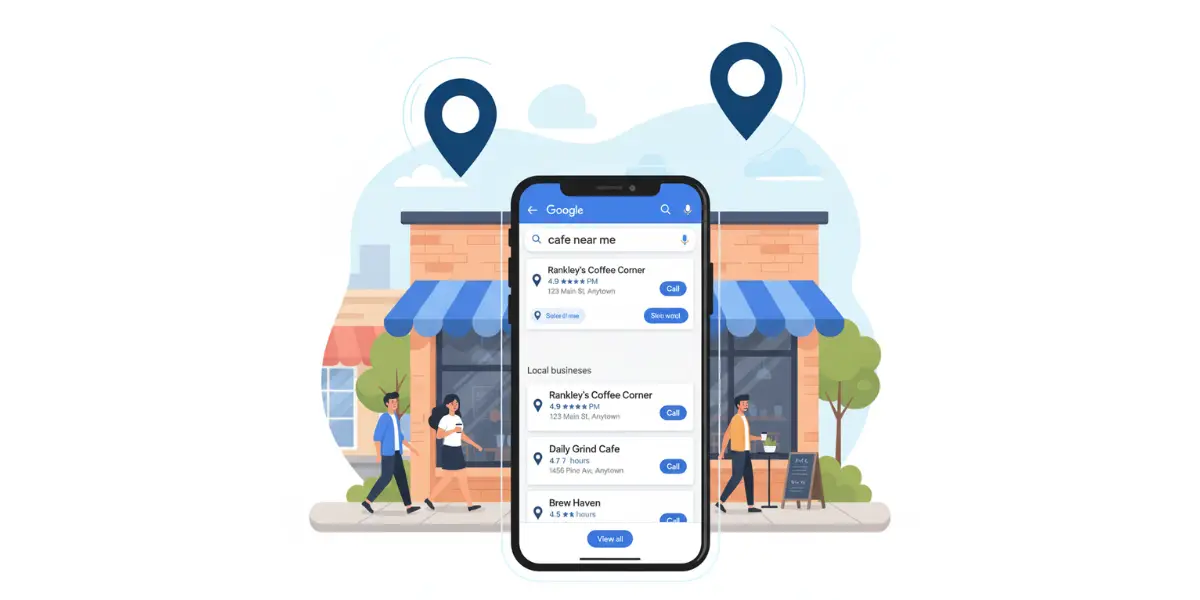
- Appear in the Map Pack where customers click first.
- Show accurate hours, services, and photos to build trust.
- Use reviews to win tie-breakers against competitors.
Why Local SEO vs Traditional SEO Matters for Small Businesses
- High intent: Local searchers are ready to act. Many visit within 24 hours, and a meaningful share convert.
- Map Pack visibility: The Local 3-Pack sits above organic links, capturing disproportionate clicks and calls.
- Trust signals: Ratings, photos, and updated hours build confidence faster than generic listings.
- Cost-effective: Unlike ads, strong local visibility compounds over time with consistent optimization.
Local vs Global SEO: Which Strategy Fits You?
This “local vs global SEO” decision depends on your business model. If customers buy online from anywhere, prioritize traditional/global tactics. If you serve a defined area, invest first in local visibility then layer in broader content to expand reach.
How to Improve Your Local SEO (Step-by-Step)
1) Claim & Optimize Your Google Business Profile
Verify ownership, select accurate categories, add photos and services, keep hours current, and post updates. Start here: Google Business Profile.
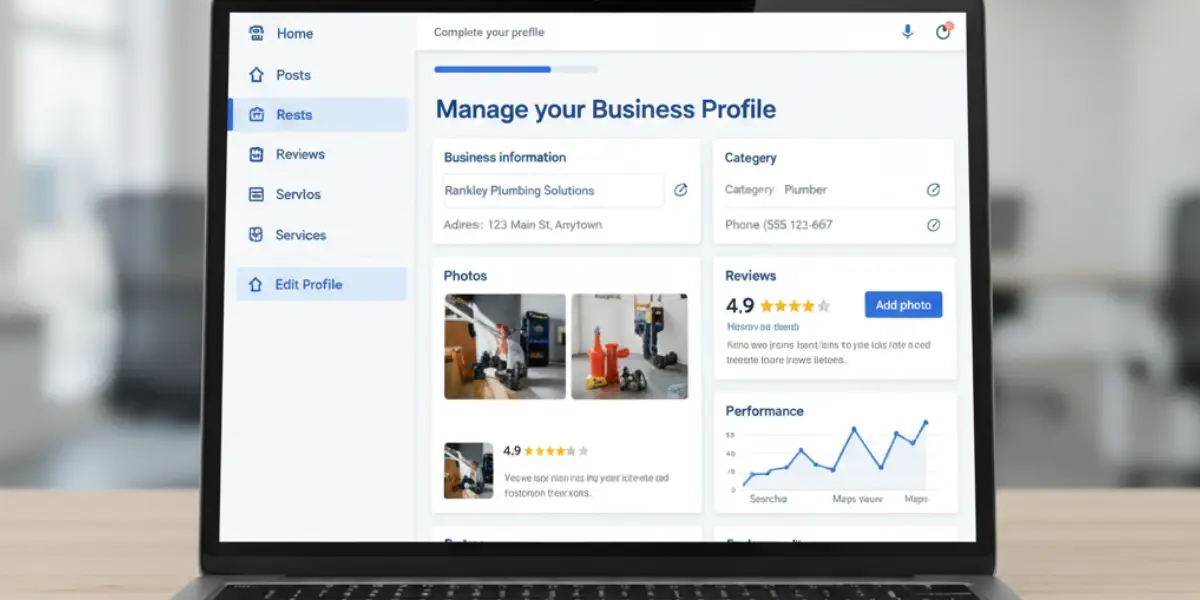
Rankley tip: Run a Rankley local SEO audit to spot missing GBP fields, duplicates, and profile gaps.
2) Ensure NAP Consistency Across the Web
Your business name, address, and phone should match on your website, GBP, Facebook, Apple Maps, Yelp, and key industry directories. Inconsistencies confuse searchers and algorithms alike.
Rankley’s audits flag NAP mismatches so you can fix them quickly.
3) Earn & Respond to Reviews
Ask happy customers for reviews and reply to all feedback. Thoughtful replies can naturally reinforce local relevance (e.g., “Thanks for choosing our plumbing service in Denver!”).
See our guide: How to Get More Google Reviews (Without Breaking the Rules).
4) Optimize Your Website for Local Relevance
- Add your city/area to title tags, H1/H2s, meta descriptions, and image alt text.
- Create dedicated location and service pages (e.g.,
/denver-plumbing). - Publish local content: event recaps, partnerships, neighborhood guides.
- Track CWV and mobile UX; speed matters for local conversions.
Related reading: Mobile-First Local SEO: How Speed & UX Affect Rankings.
5) Run a Monthly Local SEO Audit
Even seasoned teams miss duplicate citations, broken schema, or outdated hours. A recurring audit keeps data clean and rankings healthy.
Try a scan with Rankley and share white-label reports with clients or teammates.
When You Need Both: Local SEO vs Traditional SEO Together
Many organizations benefit from a hybrid approach. Example: a local law firm targets “personal injury lawyer in Chicago” (local) while publishing educational guides like “how to choose a personal injury lawyer” (traditional) to build authority and earn links.
Start with local quick wins, then expand your content library to grow organic reach beyond your neighborhood.
Common Local SEO Mistakes to Avoid
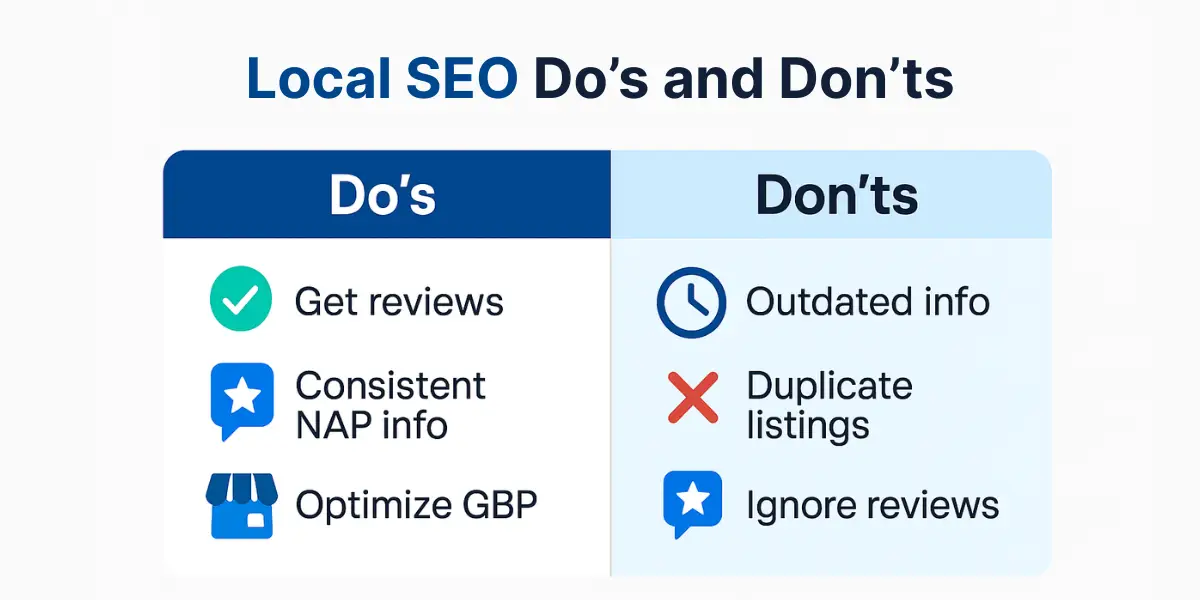
- Unclaimed or duplicate Google Business Profiles
- Inconsistent NAP info across key directories
- No dedicated location/service pages on the website
- Ignoring reviews or using only stock photos
- Letting hours or services go out of date
How to Track Local SEO Success
- Map Pack rankings: Are you breaking into the top 3?
- GBP Insights: Calls, direction requests, and discovery searches.
- Website analytics: Sessions and conversions by city/region.
- Review growth: Volume and average rating trends.
- Audit deltas: Issues found vs. resolved in recurring Rankley scans.
Useful references: GBP performance reports and GA4 location reports.
Conclusion & Next Steps
Traditional SEO builds reach. Local SEO builds relationships. If customers find you in person or within a service area, prioritize local visibility: clean citations, strong reviews, on-page local signals, and a healthy Google Business Profile.
Want a quick, no-code way to spot issues and opportunities? Run a Rankley Local SEO audit, then track progress with shareable reports.
Frequently Asked Questions about Local SEO vs Traditional SEO
What is Local SEO?
Local SEO is the process of optimizing your online presence so your business appears in Google Maps and local search results when people nearby search for your products or services. It focuses on improving visibility for “near me” and city-specific searches by optimizing your Google Business Profile, local citations, reviews, and website content.
How does Local SEO work?
Local SEO works by helping Google understand where your business is located and who it serves. It relies on proximity, relevance, and prominence. By ensuring consistent Name, Address, and Phone (NAP) data across the web, collecting customer reviews, and adding location-based keywords to your site, you can rank higher in local search results and the Map Pack.
What’s the difference between Local SEO and Traditional SEO?
The main difference between Local SEO and Traditional SEO is audience targeting. Traditional SEO aims for global or national rankings and relies on backlinks and content authority, while Local SEO targets searchers in a specific area using signals like location, reviews, and Google Business Profile optimization to appear in local results.
Is Local SEO important for small businesses?
Yes! Local SEO for small businesses is one of the most effective ways to attract nearby customers who are ready to buy. Over 75% of local searchers visit a business within 24 hours. For brick-and-mortar stores and service-area businesses, investing in Local SEO brings more calls, visits, and sales without expensive ads.
Should I focus on Local SEO or Global SEO?
It depends on your business model. If you serve local customers in person or within a specific area, focus on Local SEO. If you sell products or services online to a wider audience, Traditional or Global SEO makes more sense. Many small businesses benefit from combining both strategies: Local SEO for immediate leads and Traditional SEO for long-term brand visibility.

Published by Rankley Editorial
The Rankley team shares practical guides, tools, and insights to help local businesses get found online.