On this page
- What Is Mobile-First Local SEO?
- How Google’s Mobile-First Indexing Works
- Mobile-First Alignment Checklist
- Why Speed Matters: Core Web Vitals & Local Rankings
- Speed Impacts Local Results in Three Ways
- Quick Speed Fixes
- How Mobile UX Affects Local Rankings
- Four UX Principles that Move the Needle
- Core Web Vitals + UX = Local Ranking Power
- Real-World Examples: Speed & UX Drive Calls
- Quick Wins to Improve Mobile Speed & UX
- How Rankley Helps You Measure Mobile Performance
- Related Reading
- Conclusion: Mobile Experience = Local Success
In today’s world, your customers don’t just search. They tap, swipe, and scroll. With Google’s mobile-first indexing, your site’s mobile experience drives how you rank, even for desktop users. This post explains how mobile-first local SEO works, why speed & UX affect rankings, and how to fix performance issues (with help from a Rankley local SEO audit).
What Is Mobile-First Local SEO?
Mobile-first local SEO is optimizing your website and Google Business Profile for flawless performance on smartphones. It combines classic SEO (keywords, links, schema) with mobile-specific ranking factors such as page speed, usability, and visual stability.
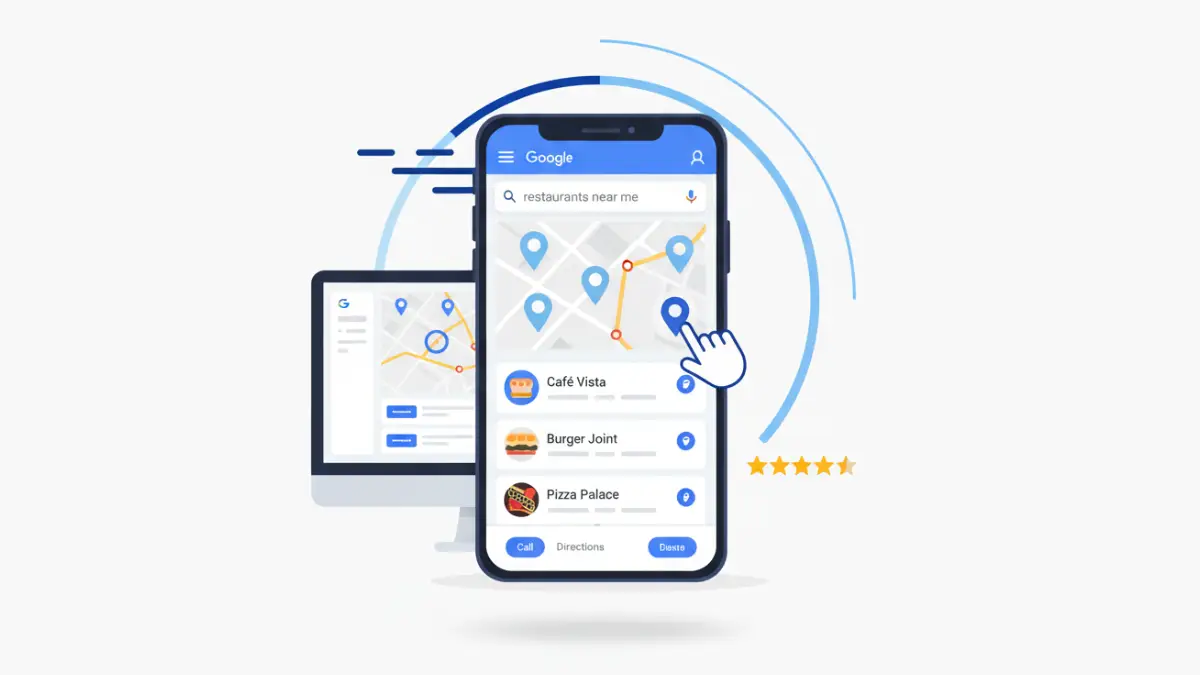
- Your mobile performance influences visibility in Google Maps and the Local 3-Pack.
- Mobile users expect instant load times and frictionless actions like Call, Book, or Get Directions.
- Bad mobile UX increases bounce rates, a negative signal for relevance.
New to local search? Start with our primer: Local SEO vs Traditional SEO.
How Google’s Mobile-First Indexing Works
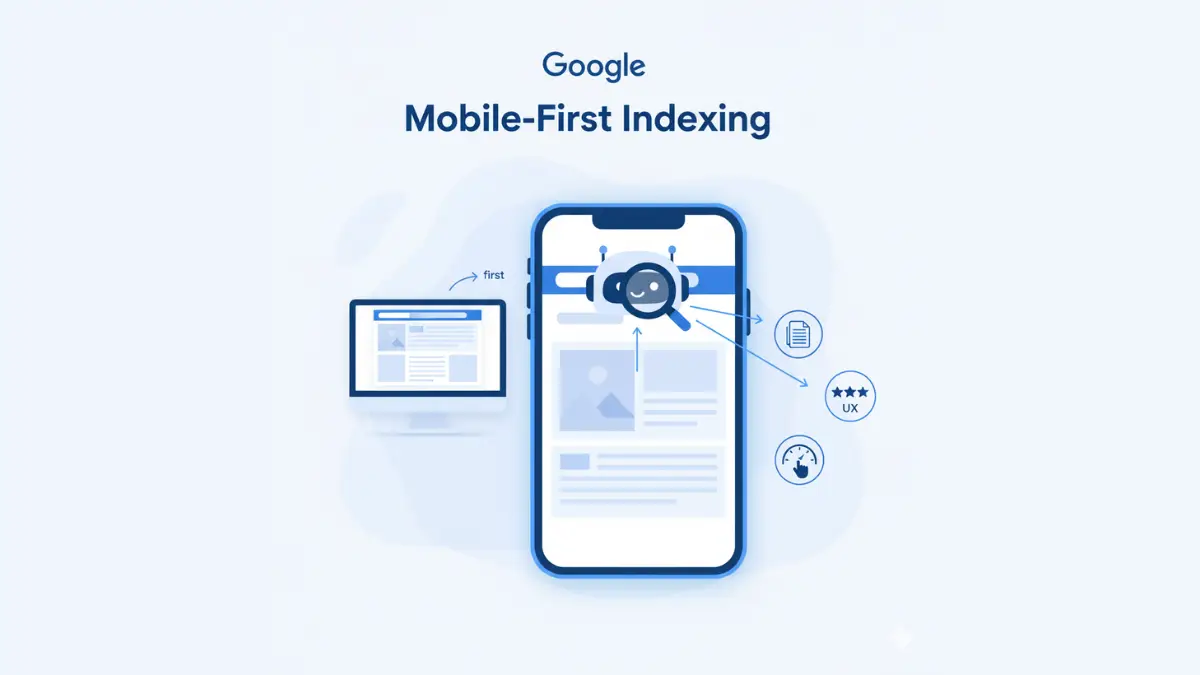
Googlebot Smartphone primarily evaluates your mobile site for indexing and ranking. If your desktop version is polished but your mobile layout is slow or incomplete, rankings can drop.
Mobile-First Alignment Checklist
- Ensure mobile and desktop content match (copy, links, structured data).
- Use responsive design (avoid separate m-dot URLs).
- Test with Mobile-Friendly Test.
- Review Core Web Vitals in PageSpeed Insights and Search Console.
Why Speed Matters: Core Web Vitals & Local Rankings
For local SEO, speed = trust. Google’s Core Web Vitals, including LCP, INP (formerly FID), and CLS, measure how fast and stable your site feels to real users.
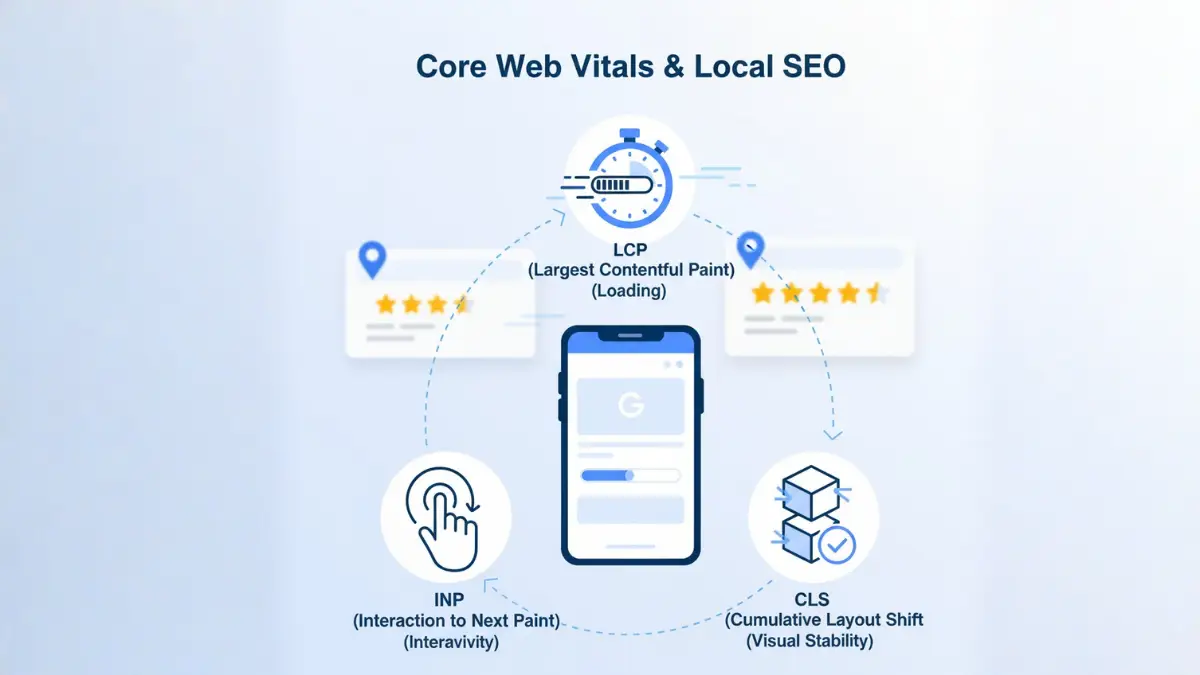
Speed Impacts Local Results in Three Ways
- Ranking weight: Fast, mobile-optimized pages are rewarded in local and organic results.
- User signals: Slow sites increase bounces and reduce dwell time.
- Conversions: Instant loads drive more calls, directions, and bookings.
Quick Speed Fixes
- Compress and convert images to WebP/AVIF; lazy-load below the fold.
- Minify CSS/JS; load non-critical scripts
deferorasync. - Use caching/CDN and preconnect to critical domains.
- Replace heavy sliders with one optimized visual.
How Mobile UX Affects Local Rankings
UX (user experience) influences engagement signals like click-through rate and time on site. Good UX helps visitors act quickly and tells Google your page satisfies local intent.

Four UX Principles that Move the Needle
- Clear, tappable CTAs: prominent Call, Book, Get Directions; targets ≥ 48×48 px.
- Readable text & contrast: 16–18 px minimum; strong color contrast.
- Simple navigation: sticky header, shallow menus; reach key pages in ≤ 3 taps.
- Local trust elements: testimonials, review stars, verified address, embedded map.
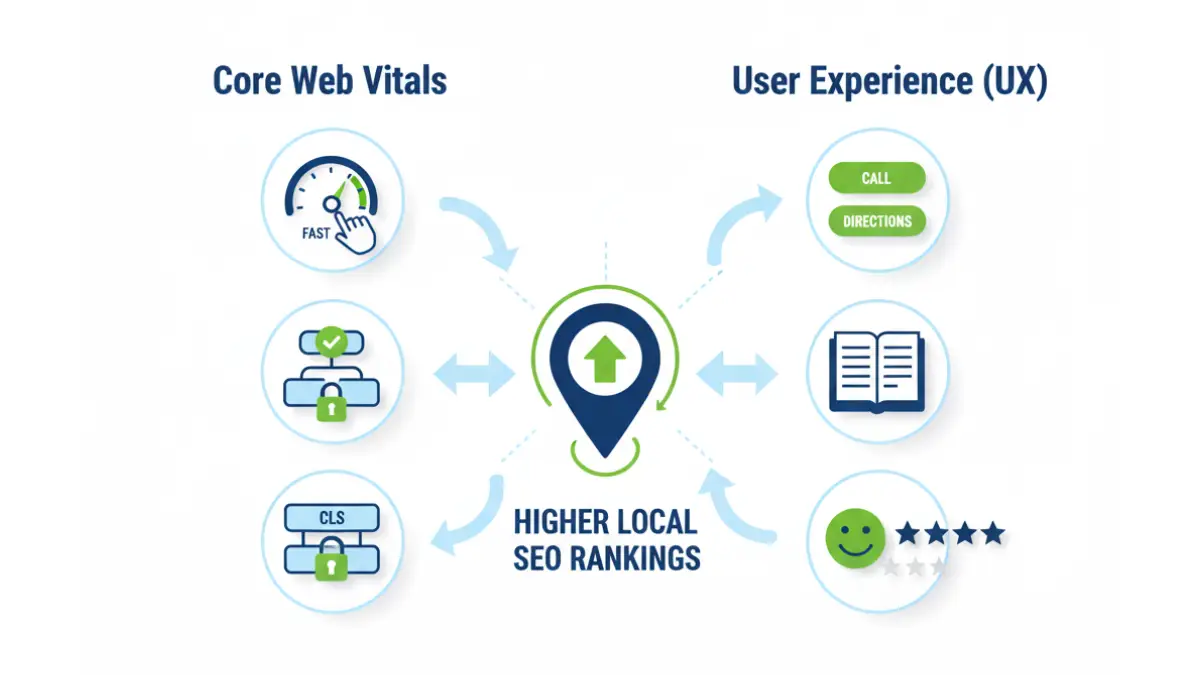
Core Web Vitals + UX = Local Ranking Power
A plumber with a fast, user-friendly mobile site can outrank a bigger competitor that ignores performance.
| Metric | Good Threshold | Local SEO Impact |
|---|---|---|
| LCP | ≤ 2.5s | Faster load builds trust and engagement |
| INP | ≤ 200ms | Smoother interactivity improves CTR & form completes |
| CLS | ≤ 0.1 | Prevents mis-taps on CTAs and forms |
| Mobile usability | 100% | Supports Local Pack eligibility |
Real-World Examples: Speed & UX Drive Calls
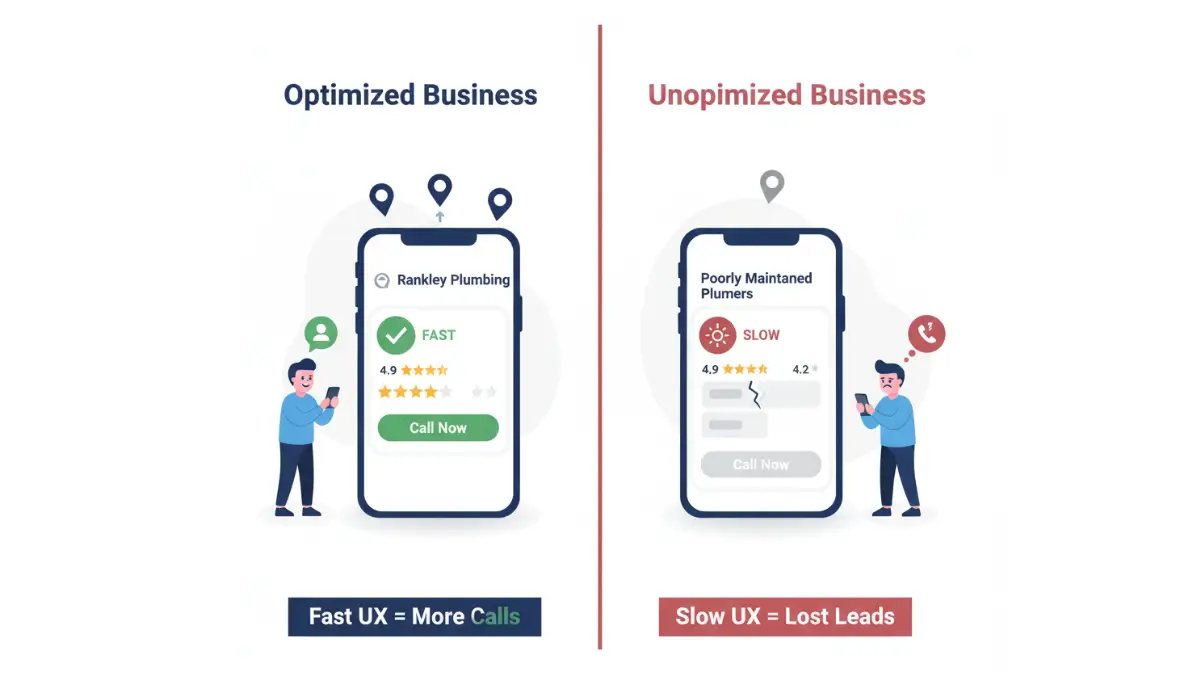
Denver Plumbing Co. loads in 1.8s, features a clear “Call Now” button, and maintains consistent NAP and strong reviews → appears in the top 3 for “plumber near me” and increases calls by 20%.
Metro Plumbing Pros loads in 6s, has a broken menu and tiny text, and inconsistent addresses → drops from the Map Pack and loses 40% of calls despite more backlinks.
Quick Wins to Improve Mobile Speed & UX
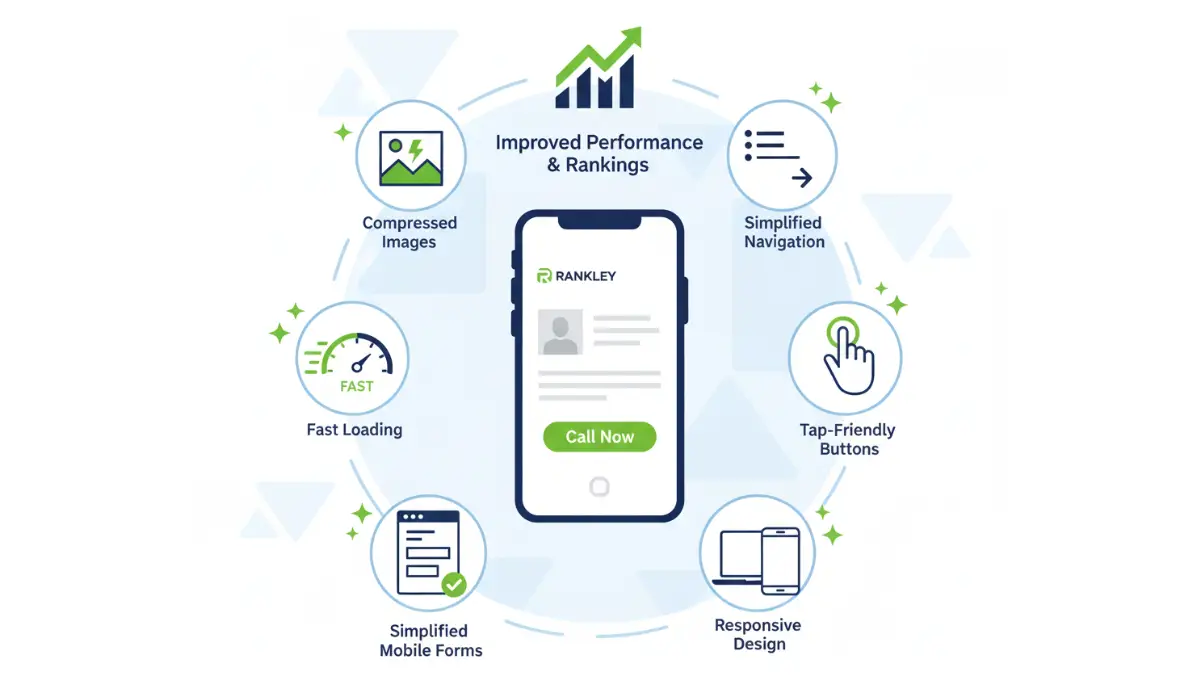
- Compress hero images < 150 KB; serve responsive sizes (
srcset). - Remove non-essential scripts; defer chat widgets until interaction.
- Simplify forms; reduce required fields; enable autofill.
- Adopt responsive grids and fluid typography.
- Audit navigation for thumb reach; prioritize top “money” pages.
How Rankley Helps You Measure Mobile Performance
Rankley’s Local SEO Audit Tool analyzes your site, Core Web Vitals, reviews, and GBP data to show what’s holding back your mobile visibility.
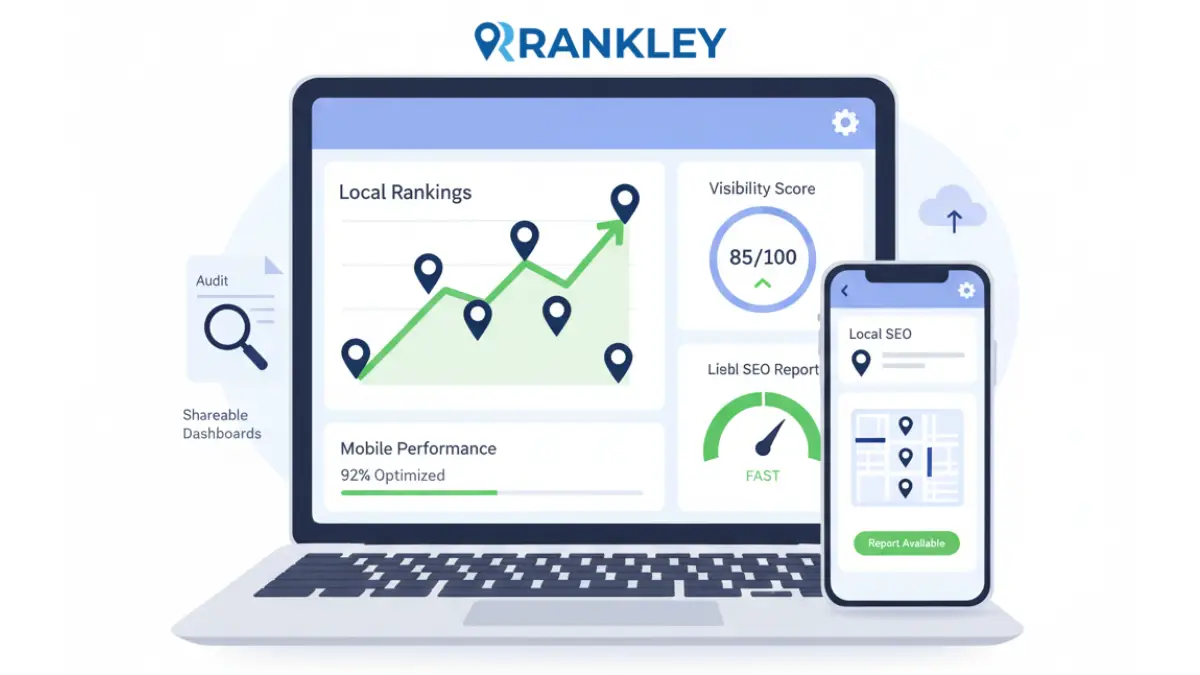
- Mobile vs desktop PageSpeed scores and recommendations
- UX readability and layout checks
- GBP consistency and review tracking
- Shareable, white-label reports

Related Reading
- Local SEO vs Traditional SEO: What Every Small Business Should Know
- Google Review Optimization Guide
Conclusion: Mobile Experience = Local Success
Mobile-first is the standard. A fast, responsive website signals credibility to Google and convenience to customers. If your pages still feel sluggish, now’s the time to act. Run a Rankley Local SEO Audit and see how your speed and UX stack up against local competitors.

Published by Rankley Editorial
The Rankley team shares practical guides, tools, and insights to help local businesses get found online.